What to Expect from Minneapolis top Lawn Care Services for A Well-Maintained Yard
What to Expect from Minneapolis top Lawn Care Services for A Well-Maintained Yard
Blog Article
All-Inclusive grass maintenance solutions for a dense, verdant Yard
Extensive lawn care offerings are important in realizing a vibrant, healthy yard. Typical approaches including grass cutting, soil ventilation, and nutrient application bolster lush turf development while reducing weeds and pests. Understanding soil health is equally vital, as it determines nutrient absorption. Homeowners often encounter obstacles in managing their grass. The best strategies can make meaningful differences, yielding a verdant garden space that increases property value. How can you identify the key actions to ensure success?
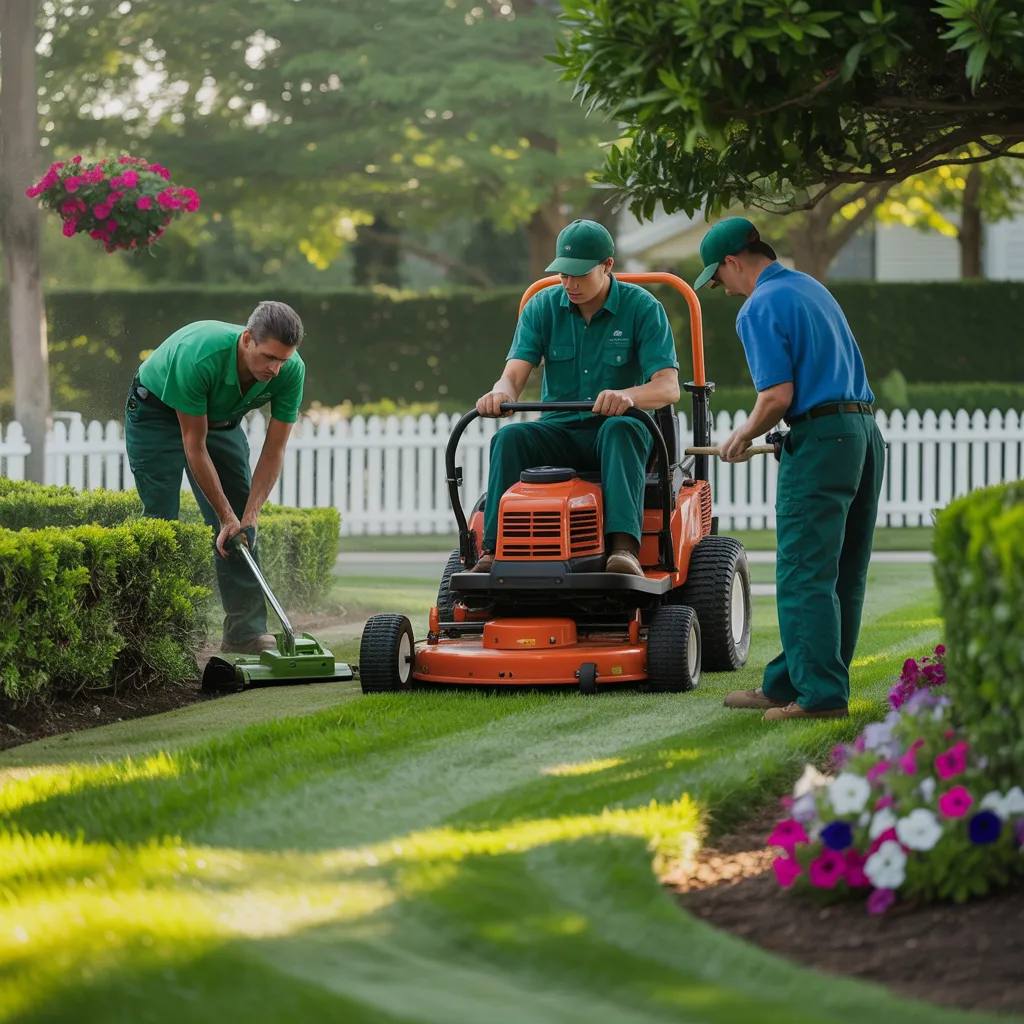
Key Grass Maintenance Services for Maximum Growth
Key turf maintenance services play an essential role in encouraging proper growth for any yard. These services cover a variety of practices that guarantee the health and vigor of the grass. Regular mowing is necessary, as it encourages even growth while preventing weeds from germinating. Aeration is another essential service, allowing air, water, and nutrients to penetrate the soil, promoting deeper root development. Fertilization provides essential nutrients that enhance growth and enhance color, contributing to a lush appearance. Weed control is similarly important, as it protects the lawn from undesirable plants that fight over resources. Additionally, proper irrigation habits, including scheduling and monitoring, make certain that the lawn absorbs adequate moisture without overwatering. Together, these key lawn care services develop an environment where grass can thrive, eventually producing a vibrant and healthy yard. Maintaining these practices regularly can greatly enhance the overall aesthetics and functionality of outdoor spaces.
Why Soil Vitality Is Fundamental to Your Lawn's Development
Soil health functions as the cornerstone for a thriving lawn, influencing everything from access to nutrients to water retention. Quality soil is rich in natural materials, which helps preserve hydration and provides essential nutrients for grass growth. A proper pH level is also vital, as it affects the lawn's capacity to take in these nutrients. Furthermore, helpful microbes in rich soil encourage nutrient cycling and strengthen soil composition, leading to better aeration and drainage.
In comparison, depleted soil conditions can lead to compressed, nutrient-starved conditions that impede grass growth. Weeds and pests can thrive in unhealthy soil, competing with grass for resources. Consistent soil analysis and improvements can help preserve ideal conditions. Ultimately, prioritizing soil wellness is essential for a verdant, vibrant lawn, as it fosters a strong ecological system that supports vigorous turf and reduces the need for synthetic treatments.
How to Determine the Correct Fertilization Strategy
Fertilization is important for preserving a explanation healthy lawn, notably after you establish a sturdy soil foundation. Selecting the right method of fertilizing requires you to beforehand examine the specific nutrient needs indicated by soil tests. Learning about the key nutrients—nitrogen, phosphorus, and potassium—is helpful in choosing the suitable fertilizer type. For example, nitrogen drives growth, phosphorus facilitates root development, and potassium improves overall resilience.
Proper coordination is also critical; using fertilizer when grass is actively growing can maximize absorption. Moreover, selecting the appropriate grass type is necessary, as each grass species needs distinct nutrients. Gradual-release fertilizers deliver long-term nutrition, while quick-release options offer immediate benefits.
In conclusion, environmental conditions such as rainfall and temperature should inform application rates and frequency. By recognizing these variables, homeowners can construct a bespoke nutrition program that fosters a lush, green lawn while promoting persistent wellness and resilience.
Grass Care: Reliable Pest Suppression Solutions
Effective pest management is vital for maintaining a healthy lawn. Integrated Pest Management (IPM) tactics present a broad-based approach, combining varied techniques to eliminate pests while decreasing environmental damage. Additionally, natural pest control methods deliver eco-friendly alternatives that can be equally powerful in protecting lawns from damaging pests.
Unified Pest Control Methods
Integrated Pest Management (IPM) techniques offer a comprehensive strategy to maintaining healthy lawns while minimizing ecological consequences. This approach highlights the critical nature of monitoring pest populations and learning about their life cycles. By spotting pests accurately, lawn care specialists can implement focused solutions rather than blanket treatments. Horticultural methods, including proper irrigation and cutting approaches, serve an essential role in preventing pest challenges. Furthermore, promoting helpful life forms, such as predatory insects, may help controlling pest levels biologically. Periodic review and adaptation of approaches guarantee the lawn continues to be resilient against insect invasions
Eco-Friendly Insect Control Methods
Building on the principles of Integrated Pest Management, natural pest control techniques provide a eco-friendly method to controlling lawn pests without synthetic chemicals. These techniques highlight the use of natural materials and biological agents to repel harmful insects. For instance, beneficial insects like ladybugs and lacewings can be added to control aphid populations. Additionally, natural repellents such as neem oil and diatomaceous earth are effective alternatives to traditional pesticides. Regularly tracking pest populations and promoting healthy soil through composting further enhance lawn resilience. By focusing on ecological balance, organic pest control not only safeguards the lawn but also supports local biodiversity, creating a vibrant and thriving environment. This holistic approach aligns with growing consumer preferences for environmentally friendly lawn care solutions.
How Aerating and Reseeding Enhance Your Grass Maintenance
Aeration and overseeding act as essential elements in revitalizing a lawn, enhancing its health and appearance. Aeration involves drilling the soil with holes to relieve compaction, permitting air, water, and nutrients to access deeper roots. This process fosters stronger root systems and improves overall soil quality. By facilitating better nutrient intake, aeration helps the grass flourish, notably in high-traffic areas.
Overseeding complements aeration by introducing new grass seed to the current turf. This method fills in bare patches and encourages thicker, healthier growth. It also assists in strengthening the lawn's resistance to pests and diseases. The pairing of aeration and overseeding creates optimal circumstances for seed germination, resulting in a lush, green yard.
Collectively, these approaches not simply strengthen the decorative value of a lawn but also enable its long-term sustainability, making them necessary components of successful lawn care services.
Seasonal Pointers for a Vibrant Lawn Every Season
To preserve a vibrant lawn throughout the year, specific seasonal strategies are essential. In spring, effective fertilization can promote healthy growth, while fall aeration techniques help condition the grass for winter. Understanding these strategies guarantees a flourishing lawn regardless of the season.
Spring Application Systems
A well-timed spring fertilization plan can markedly enhance the vitality and appearance of a lawn throughout the year. As temperatures increase and grass starts growing, applying a balanced fertilizer rich in nitrogen, phosphorus, and potassium can supply essential nutrients. Timing is vital; fertilization should take place after the last frost when grass is actively growing. This promotes robust root development and lively green blades. Additionally, selecting slow-release formulations can guarantee nutrients are available over an extended period, supporting sustained growth. It is important to follow the manufacturer’s instructions for application rates and frequency to prevent over-fertilization, which can damage the lawn and the environment. Proper watering after fertilization further helps nutrient absorption, laying the foundation for a healthy lawn.
Seasonal Aerating Approaches
Rehabilitating a lawn during fall usually involves implementing effective soil perforation techniques. Aeration is important for improving soil condition and promoting vigorous root expansion. This undertaking involves creating tiny punctures in the soil with small openings to minimize compaction, enabling air, water, and nutrients to go deeper. The perfect time for fall aeration is when the grass is thriving, typically between September and October. Homeowners can opt for plug aeration, which removes plugs of soil, and spike formation, which simply creates holes. After finishing aeration, spreading quality fertilizer can additionally help turf rejuvenation and growth. Periodic fall aeration not only enhances turf durability but also readies it for the winter months, guaranteeing a verdant and lush yard come spring.
Advantages of Hiring Professional Lawn Care Solutions
Hiring professional lawn care providers transforms outdoor spaces into thriving, verdant environments. These specialists deliver advanced expertise and professional insight, guaranteeing that lawns receive tailored treatments specific to their needs. Expert care typically offer fertilization, pest control, and weed management, all of which enhance a healthier lawn.
Moreover, these services often leverage advanced equipment, generating results that may be hard for homeowners operating standard equipment. Time savings represent another vital benefit; by subcontracting lawn care tasks, homeowners can concentrate on other matters while sustaining a beautiful yard.
Professionals remain current on the newest lawn care trends and environmentally friendly practices, promoting sustainability in addition. Regular maintenance delivered by experts can enhance the general appearance and worth of a property. In summary, hiring expert lawn care services not only elevates the look of exterior areas but also ensures efficient, effective, and sustainable lawn care.
Frequently Asked Questions
How Frequently Should I Cut My Grass for Best Results?
Authorities propose keeping the grass cut weekly in the growing season. This routine supports vigorous growth while avoiding the grass from getting too long, maintaining a tidy presentation and reducing the occurrence of pests and disease.
Determining the Optimal Time of Year for Grass Maintenance?
Grass maintenance is most successful during spring and early fall, the optimal times of year for such work. These periods showcase active vegetation development, which allows for excellent results from nutrient treatment, soil aeration, and seed planting, producing a vibrant, green turf.
Can I Manage Lawn Care Myself or Engage Professionals?
Property owners can elect to undertake lawn care independently or contract professionals, depending on their experience, time constraints, and expected quality. DIY provides savings on costs, while professionals offer professional knowledge and reliable service for premium results.
What Effect Do Climate Patterns Exert on Grass Care Routines?
Atmospheric conditions greatly control lawn care regimens. Rain can enable growth, while drought necessitates more frequent watering. Temperature oscillations determine mowing schedules, and seasonal changes establish fertilization timing, requiring adaptability for ideal lawn health.
What Are Common Errors to Prevent in Grass Maintenance?
Typical mistakes in turf maintenance include watering too much, improper mowing heights, overlooking soil well-being, using the wrong fertilizers, and ignoring pest control. Education and appropriate methods can markedly improve the health and appearance of the lawn.
Report this page