Tips for Choosing Minneapolis top Lawn Care Services for Consistent Maintenance
Tips for Choosing Minneapolis top Lawn Care Services for Consistent Maintenance
Blog Article
Complete yard maintenance services for a vibrant, green Yard
Comprehensive lawn care services play an essential role in creating a vibrant, healthy yard. Consistent routines such as mowing, aeration, and fertilization contribute to robust grass growth while minimizing weeds and pests. Understanding ground condition is just as vital, as it influences nutrient absorption. Homeowners often face challenges in caring for their grass. The proper approaches can make a significant difference, leading to a lush landscape that increases property value. How do you identify the key steps to ensure success?
Key Grass Maintenance Services for Maximum Growth
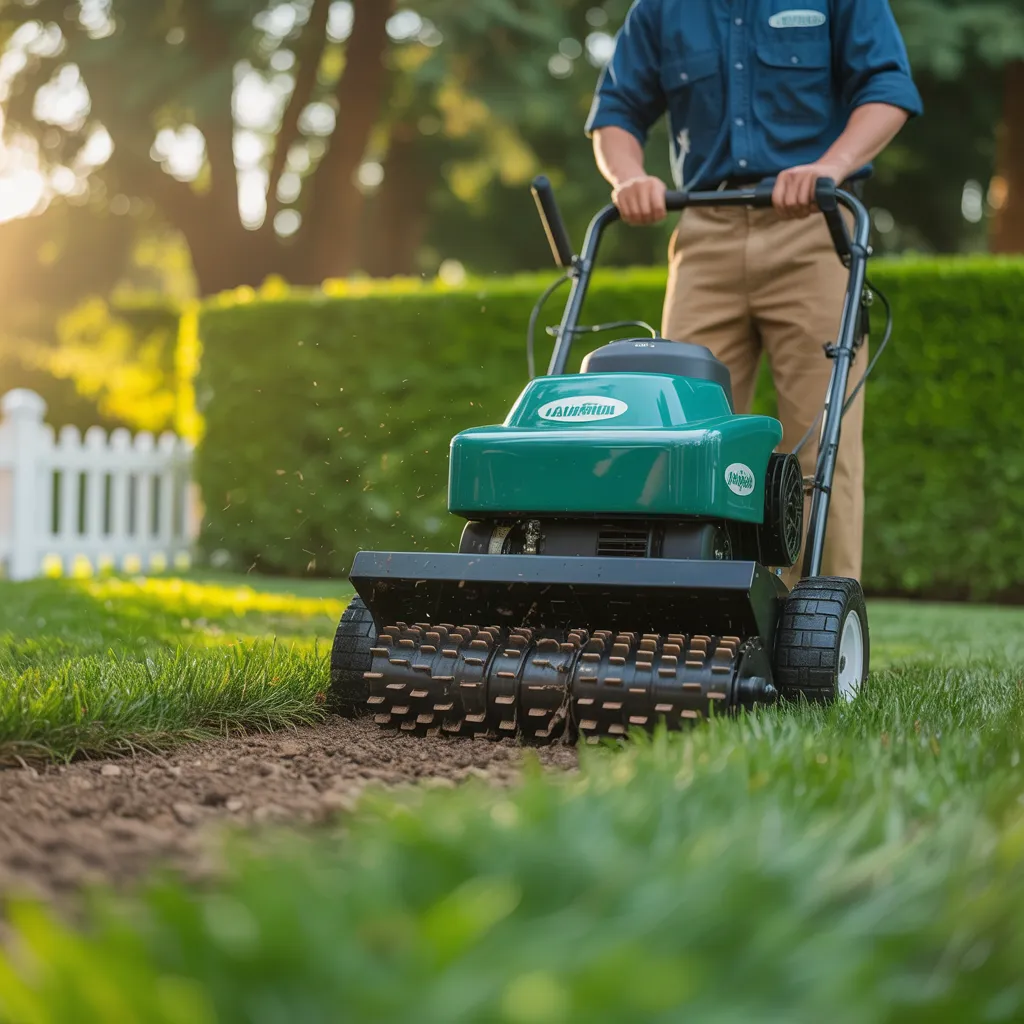
Key lawn care services play an essential role in promoting excellent growth for any yard. These services include a variety of practices that guarantee the health and vigor of the grass. Regular mowing is important, as it supports uniform growth while keeping weeds from taking root. Aeration is another essential service, enabling air, water, and nutrients to flow into the soil, fostering deeper root development. Fertilization provides important nutrients that promote growth and boost color, leading to a lush appearance. Weed control is equally important, as it guards the lawn from invasive species that contest resources. Additionally, proper irrigation practices, including scheduling and monitoring, make certain that the lawn obtains adequate moisture without overwatering. Together, these key lawn care services create an environment where grass can thrive, ultimately resulting in a vibrant and healthy yard. Following these practices regularly can greatly improve the overall aesthetics and functionality of outdoor spaces.
Why Quality Soil Is Important to Your Lawn's Thriving
Soil health serves as the foundation for a flourishing lawn, affecting everything from nutrient availability to water retention. Healthy soil is full of natural materials, which helps maintain water and provides essential nutrients for grass growth. A proper pH level is also essential, as it practical tips affects the lawn's capacity to take in these elements. Moreover, beneficial microorganisms in rich soil promote nutrient cycling and strengthen soil composition, producing improved air flow and drainage.
In contrast, degraded soil conditions can produce compacted, nutrient-depleted conditions that obstruct grass growth. Invasive plants and parasites can succeed in unhealthy soil, struggling with grass for resources. Regular soil testing and amendments can help sustain ideal conditions. Ultimately, investing in soil health is important for a thick, emerald lawn, as it establishes a robust ecosystem that nourishes healthy grass and lowers the need for chemical interventions.
How to Determine the Correct Nutrient Plan
Fertilization serves as a vital factor in maintaining a healthy lawn, notably after building a robust soil foundation. Determining the optimal fertilization strategy entails you first examine the particular nutrient demands determined by soil tests. Grasping the core nutrients—nitrogen, phosphorus, and potassium—helps in determining the suitable fertilizer type. For instance, nitrogen stimulates growth, phosphorus supports root development, and potassium enhances overall resilience.
The moment you apply fertilizer during the growing season, placement becomes important; doing so can maximize absorption. In addition, knowing what grass you have is crucial, as different species have varying nutrient requirements. Slow-release fertilizers present steady nutrition, while fast-acting alternatives bring immediate benefits.
To summarize, natural conditions such as precipitation levels and thermal patterns should impact application rates and frequency. By weighing these considerations, property dwellers can engineer a tailored nutrient strategy that fosters a lush, green lawn while promoting sustained vigor and optimal condition.
Lawn Care: Efficient Pest Management Methods
Pest management that is efficient plays a key role in maintaining a healthy lawn. Integrated Pest Management (IPM) frameworks offer a holistic approach, combining diverse methods to suppress pests while minimizing environmental effects. Additionally, eco-friendly pest control methods supply sustainable alternatives that can be just as effective in shielding lawns from destructive insects.
Integrated Pest Management Plans
Integrated Pest Management (IPM) systems furnish a holistic framework to maintaining healthy lawns while minimizing ecological burden. This method emphasizes the importance of monitoring pest concentrations and understanding their life cycles. By pinpointing pests with precision, lawn care professionals can implement targeted remedies rather than blanket treatments. Soil and plant approaches, including fitting watering and mowing techniques, play an indispensable function in warding off pest troubles. Additionally, promoting beneficial organisms, such as hunting insects, assists with controlling pest abundances naturally. Regular appraisal and adaptation of strategies guarantee the lawn endures fortified against pest invasions. Overall, IPM establishes a balanced living environment, reducing reliance on chemical pesticides and furthering sustainable lawn care practices that contribute to a thriving verdant terrain.
Eco-Friendly Pest Control Practices
Building on the principles of Integrated Pest Management, organic pest control methods provide a sustainable approach to managing lawn pests without synthetic chemicals. These strategies highlight the use of natural materials and biological agents to repel harmful insects. For instance, beneficial insects like ladybugs and lacewings can be added to control aphid populations. Additionally, natural repellents such as neem oil and diatomaceous earth are effective alternatives to traditional pesticides. Regularly monitoring pest populations and promoting healthy soil through composting further improve lawn resilience. By focusing on ecological balance, organic pest control not only safeguards the lawn but also supports local biodiversity, creating a vibrant and thriving environment. This holistic approach aligns with growing consumer preferences for environmentally friendly lawn care solutions.
Why Aerating and Reseeding Enhance Your Grass Care
Aeration and overseeding represent crucial parts in rejuvenating a turf, improving its health and look. Aeration involves puncturing the soil with holes to alleviate compaction, enabling air, water, and nutrients to access deeper roots. This technique develops stronger root systems and improves overall soil quality. By enhancing better absorption, aeration helps the grass prosper, chiefly in high-traffic areas.
Overseeding complements aeration by adding new grass seed to the existing lawn. This method covers bare patches and promotes thicker, healthier growth. It also assists in strengthening the lawn's defense against pests and diseases. The pairing of aeration and overseeding creates ideal conditions for seed germination, producing a lush, green yard.
These methods collectively not just boost the visual appeal of a lawn but also assist its long-term sustainability, making them crucial parts of productive lawn care programs.
Seasonal Suggestions for a Vibrant Grass Continuously
To sustain a lively lawn throughout the year, targeted seasonal tactics are vital. In spring, effective fertilization can boost strong growth, while fall soil aeration practices help condition the grass for winter. Learning these practices assures a lush lawn regardless of the season.
Spring Soil Improvement Approaches
A well-timed spring fertilization strategy can markedly enhance the health and look of a lawn throughout the year. As temperatures increase and grass starts growing, applying a evenly mixed fertilizer containing nitrogen, phosphorus, and potassium can supply essential nutrients. Timing is crucial; fertilization should occur after the last frost when grass is in active growth. This promotes strong root development and lively green blades. Additionally, selecting controlled-release formulations can ensure nutrients are delivered over an prolonged period, promoting sustained growth. It is important to follow the manufacturer’s instructions for application rates and frequency to prevent over-fertilization, which can harm the lawn and the environment. Proper watering after fertilization further helps nutrient absorption, laying the foundation for a lush lawn.
Autumn Aeration Strategies
Rehabilitating a lawn during fall usually involves using quality soil perforation techniques. Aeration is necessary for enhancing earth quality and promoting vigorous root development. This undertaking involves creating tiny punctures in the soil with small openings to decrease soil compression, facilitating oxygen, water, and nutrients to go deeper. The ideal time for fall aeration is when the grass is thriving, typically between September and October. Homeowners can decide on core removal, which removes plugs of soil, and perforation aeration, which simply creates holes. Upon completion aeration, applying balanced nutrients can further assist turf rejuvenation and growth. Frequent seasonal aerating not only strengthens lawn resilience but also prepares it for the winter months, guaranteeing a verdant and lush yard come spring.
Advantages of Engaging Professional Lawn Care Services
Engaging professional lawn care services converts outdoor spaces into verdant, thriving outdoor areas. These experts bring specialized knowledge and experience, guaranteeing that lawns get tailored treatments specific to their needs. Expert lawn care generally encompass nutrient application, insect management, and unwanted plant removal, all of which contribute to a more robust and vibrant grass.
Additionally, these providers often utilize state-of-the-art machinery, achieving results that may be problematic for homeowners employing standard tools. Time savings constitute another key benefit; by outsourcing lawn care tasks, homeowners can dedicate attention to other priorities while upholding a beautiful yard.
Additionally, experts remain current on the latest turf maintenance developments and eco-conscious practices, advancing sustainability. Regular maintenance delivered by experts can improve the overall aesthetic and worth of a property. In summary, engaging expert lawn care solutions not only boosts the look of outdoor spaces but also guarantees efficient, efficient, and eco-friendly lawn care.
Frequently Commonly Requested Questions
How Often Should I Mow My Grass for Best Results?
Professionals advise cutting the grass on a weekly basis throughout the growing season. Such regularity promotes robust growth while preventing the grass from exceeding ideal height, preserving a tidy appearance and minimizing the chance of pests and disease.
Determining the Ideal Season of Year for Turf Upkeep?
Best grass maintenance generally happens during spring and early fall, which are the ideal seasons. Grass thrives actively in these periods, making it perfect for nutrient treatment, soil aeration, and seed planting, resulting in a vibrant, green turf.
Can I Handle Lawn Care Myself or Hire Professionals?
Property owners can elect to perform lawn care independently or contract professionals, taking into account their knowledge, available time, and desired results. DIY yields savings on costs, while professionals deliver specialized expertise and reliable service for superior performance.
In What Ways Do Atmospheric Conditions Affect Your Lawn Care Practices?
Atmospheric conditions greatly control lawn care regimens. Rain can enable growth, while drought necessitates more frequent watering. Temperature fluctuations determine mowing schedules, and seasonal changes establish fertilization timing, requiring adaptability for ideal lawn health.
What Are Common Errors to Avoid in Lawn Care?
Common mistakes in lawn care consist of excessive watering, improper mowing heights, ignoring soil condition, using the wrong fertilizers, and ignoring pest control. Awareness and proper techniques can significantly improve the condition and look of the lawn.
Report this page